

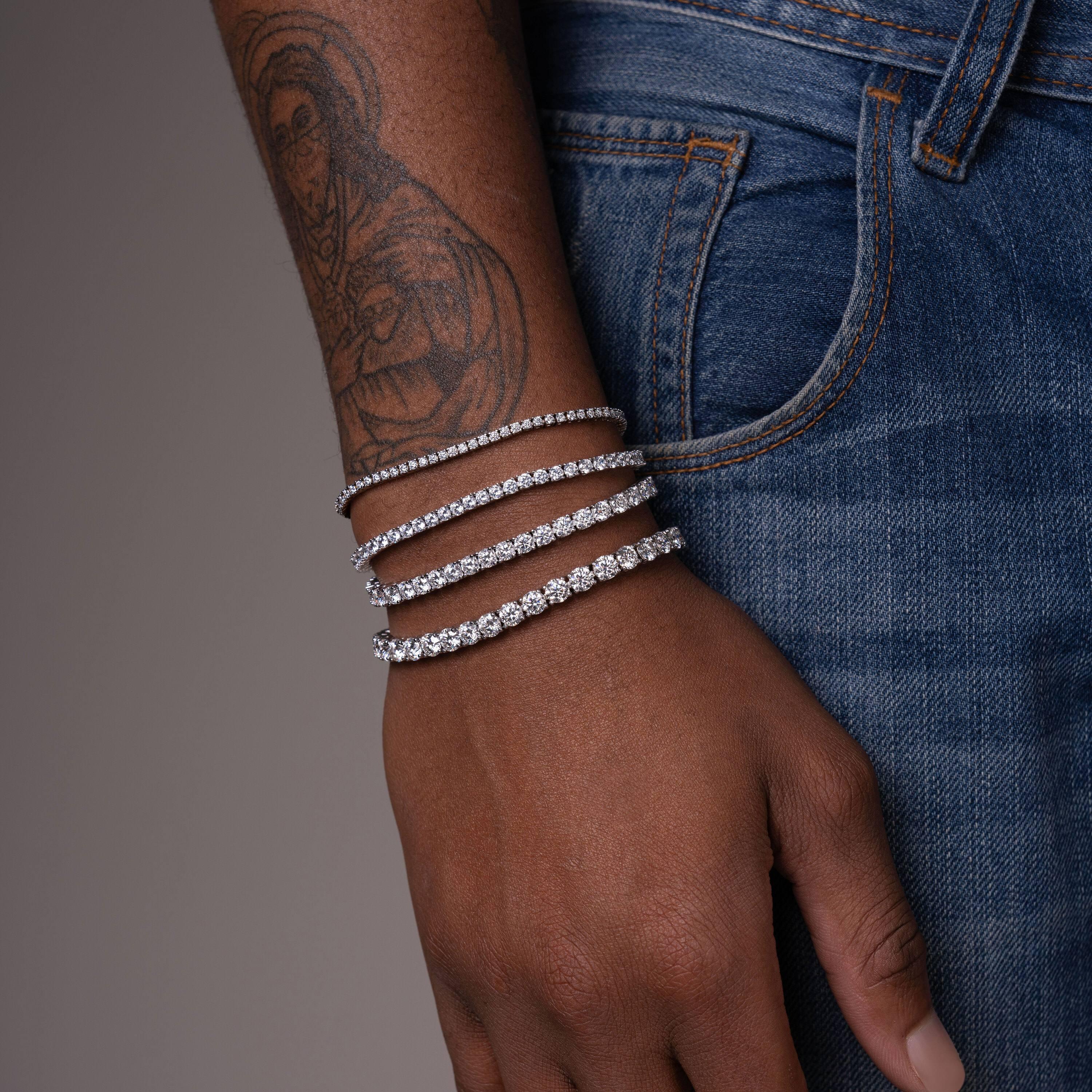
Moissanite can give a diamond-like reading on some thermal diamond testers. The result depends on the device, the stone and the test conditions. It does not identify moissanite as diamond. This guide explains thermal, electrical and combination testers, along with the checks to make before testing a mounted stone.
Key Takeaways
- A thermal-only tester can respond similarly to diamond and moissanite.
- Combination testers use additional measurements, but their capabilities and limitations differ. Read the manufacturer’s instructions.
- A reading is a screening result. A qualified gemologist can identify the material when you need a reliable answer.
- Keep the probe on the stone rather than the metal setting. Cleanliness, battery level and temperature can affect results.
How Does a Moissanite Diamond Tester Work?

If you want to find out if your jewelry is moissanite or diamond, you should know how a diamond tester works. There are different testers that use science in different ways. Understanding how each tester works helps you make good choices when testing diamonds.
Thermal Conductivity Testers
Thermal conductivity testers check how fast heat moves through a gemstone. Here is what happens:
-
The tester has a hot metal tip that touches the stone.
-
It measures how quickly the heat spreads in the gem.
-
Diamonds move heat very fast because of their special properties.
-
The tester compares the heat loss to what is normal for diamonds and other stones.
Moissanite also moves heat quickly, so a simple diamond tester might say your moissanite is a diamond. This can make things confusing when you test your stone. You should remember that thermal testers are not always right for moissanite.
Electrical Conductivity Testers
Electrical conductivity testers provide another measurement for separating some materials. Conductivity is not identical across every stone. Read the device’s stated scope and ask a gemologist when a reading is unexpected.
Combination Testers
Combination testers measure more than one property, often heat and electrical conductivity. They can provide more information than a thermal-only tester. Their ability to distinguish materials still depends on the device, its setup and the stone being tested.
Choose a tester for the materials and stone sizes you need to screen. Confirm uncertain results with a qualified gemologist.
Pass a Diamond Tester: Moissanite Explained
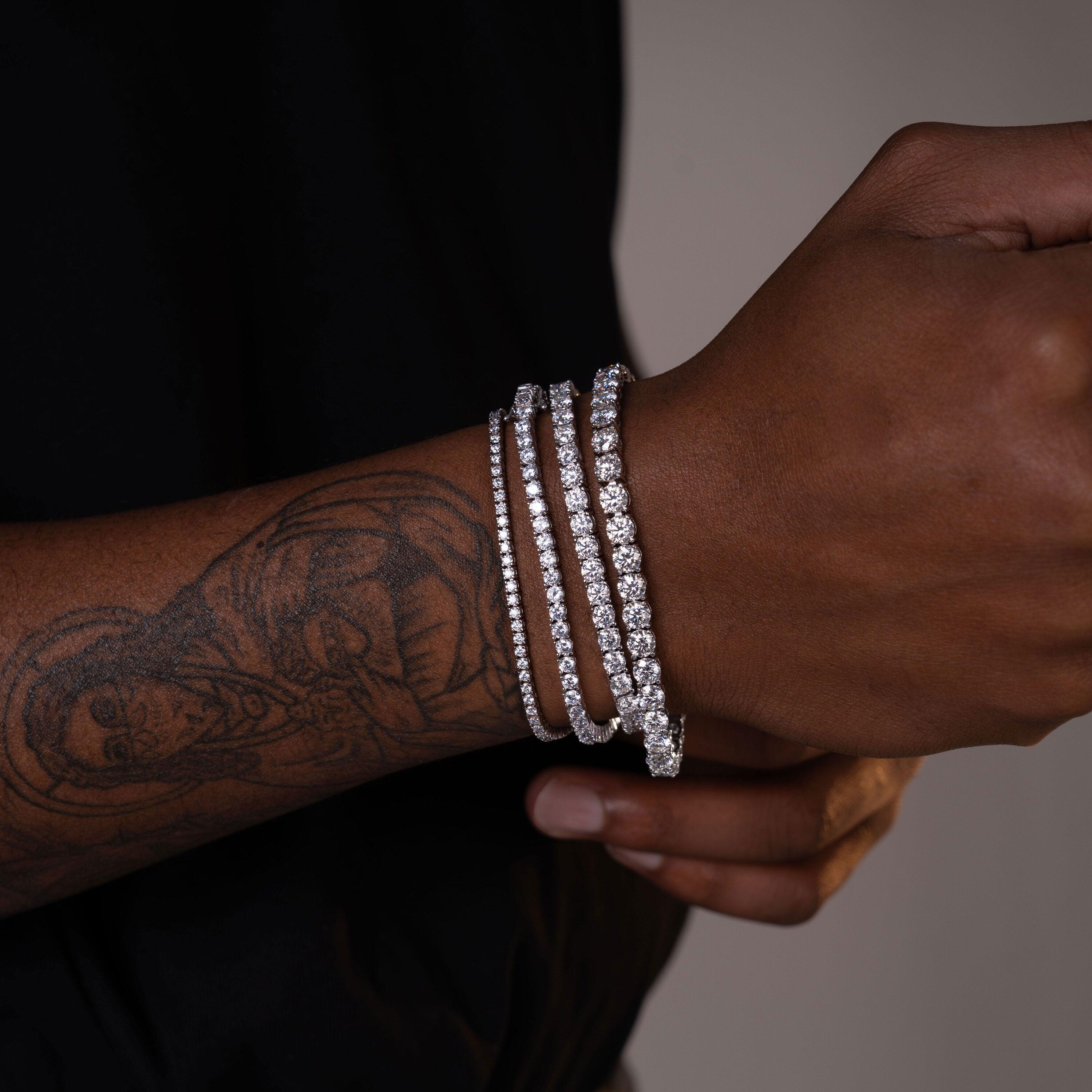
Why Moissanite Can Pass Diamond Tester
Moissanite and diamond both conduct heat in a way that can produce similar readings on a thermal-only tester. The device measures a property of the stone; it does not turn one material into another.
Read the result according to the type of tester:
| Test | What a reading can tell you |
|---|---|
| Thermal-only tester | Screens thermal response; may not separate moissanite from diamond |
| Electrical or combination tester | Adds measurements; check the manufacturer’s supported materials |
| Professional identification | Uses appropriate tests and observation to establish material identity |
If a tester displays “diamond” for moissanite, the result shows the limitation of that screening method. It is not evidence that the stone is diamond.
When Moissanite Fails a Diamond Tester
A combination tester may identify moissanite separately from diamond. There is no universal pass or fail outcome for every device and every moissanite stone.
Here is a simple table to help you see:
| Tester type | Important limitation |
|---|---|
| Thermal-only | A diamond-like response does not prove diamond identity |
| Combination | Results depend on the supported materials, setup and test conditions |
Check the battery, calibration and instructions. Room temperature, probe position and contact with a metal setting can affect the reading. Repeat a questionable test as directed and ask a gemologist if results conflict.
- A “diamond” indication on one device is not a material certificate.
- Do not assume that every combination tester will return the same result.
- Ask which materials and stone sizes the device is designed to screen.
Common Myths About Moissanite and Testers
The claim that moissanite always passes a diamond tester is inaccurate. Different devices measure different properties, so their readings can differ.
Here are some common myths:
- Moissanite and diamond are different materials.
- A thermal reading alone may not distinguish them.
- Visual sparkle and a seller’s grade description do not replace material identification.
Note: You should not trust just one test. If you want to be sure, use more than one diamond tester or ask a jeweler. This way, you will know if your stone is moissanite or diamond.
Buy moissanite for its disclosed material, appearance and product specifications. A tester result should help you understand a stone, rather than serve as a reason to describe it as diamond.
Test for Diamond and Moissanite: Step-by-Step Guide

Testing gemstones at home or with a jeweler helps you feel sure. You want to know if your stone is diamond or moissanite. Follow these steps to get the best results and keep your moissanite jewelry safe.
Preparing for the Test
Get your stone and diamond tester ready before you start. Good preparation makes the test more accurate and helps you avoid mistakes.
-
Read Your Tester’s Instructions
Always look at the manual for your diamond tester first. Each tester works in its own way. -
Clean Your Gemstone
Use a soft cloth to wipe off dirt or oil. Clean stones give better test results. -
Calibrate Your Tester
Set your tester with a real diamond or the calibration spot. This step makes sure your tester works right. -
Choose a Suitable Environment
Test in a room with steady temperature. Stay away from drafts and sunlight. -
Secure Your Gemstone
If your stone is loose, use a holder that does not conduct electricity. For stones in jewelry, make sure the probe only touches the gem.
Tip: Getting ready the right way helps your diamond tester work best.
Avoiding False Results
You want your diamond test to be correct. Many things can cause mistakes, so pay close attention.
-
Low battery can change your test results. Always check your tester’s battery before you begin.
-
Calibration is important. If your tester is not set up right, you may get a wrong answer.
-
How you use the tester matters. Hold it steady and follow the steps.
-
The stone’s temperature can change the test. Let your gemstone warm up to room temperature first.
-
Dirt or mounting can cause problems. Make sure your stone is clean and the probe only touches the gem.
Note: Small mistakes can give you wrong answers. Go slow and check each step.
Best Practices for Accurate Testing
You want to test moissanite and diamond the right way. Use these tips to get better results:
-
Use your diamond tester with other tools. Try a loupe or microscope to look for special features.
-
Look for double refraction with magnification. Moissanite often shows this, but diamond does not.
-
Test more than once if you are not sure. Doing the test again helps you trust the answer.
-
Make sure your jeweler knows what to do. Skilled jewelers can spot the differences.
-
For the best results, ask a gem lab for help.
Tip: Using more than one way helps you avoid mistakes and gives you a clear answer.
When to Consult a Professional
Sometimes, you need an expert to test diamond and moissanite. Professional gemologists use special tools and skills. They can look at stones closely and use microscopes to tell moissanite from diamond. These experts have tools like spectroscopes to check gemstone properties. If you want a sure answer, ask a professional gemologist to test your stone.
For a Sommarnox chain or bracelet, check the selected product’s metal, finish, dimensions and stone description. Those details vary by product; a tester article cannot confirm the specifications of every item.
Read the current service, warranty and shipping terms before ordering. Ask about any report supplied with your chosen product and how its details correspond to the stones.
Buying Moissanite: What to Know

Moissanite vs. Diamond: Key Differences
You want to pick the best jewelry for yourself. Moissanite is a great choice instead of diamond. It looks special and gives you good value. When you look at moissanite and diamond, you will see they are different. They have different physical and optical properties. The table below shows these differences:
|
Property |
Moissanite |
Diamond |
|---|---|---|
|
Refractive Index |
2.65 to 2.69 |
2.42 |
|
Dispersion |
0.104 |
0.044 |
|
Hardness |
9.25 (Mohs scale) |
10 (Mohs scale) |
|
Visual Appearance |
More fiery appearance |
Traditional sparkle |
Price depends on the complete piece, including metal, stone sizes, settings and design. Compare current prices for equivalent configurations.
Choosing a Moissanite Diamond Tester
You want to know if your stone is real or not. A moissanite diamond tester helps you tell moissanite from diamond. Not all testers work the same way. Think about these things when you pick a tester:
-
Basic thermal testers only check heat.
-
Advanced testers check both heat and electricity for better results.
-
Testers with electrical features help you spot moissanite.
-
A metal detector stops mistakes when testing jewelry.
Before buying a tester, compare the manufacturer’s supported materials, minimum stone size, calibration procedure and limitations. A brand name alone is not an accuracy guarantee.
Where to Buy Authentic Moissanite Chains
Choose a seller that clearly discloses the stone identity, metal and finish. For Sommarnox jewelry, use the current product page and ask the team about any specification or included report that is unclear.
A gold-tone or white finish does not establish a solid-gold base. Check the base metal and plating description separately, then compare dimensions, clasp design and care instructions.
Read the applicable return and warranty terms before purchase. A report and a store guarantee answer different questions.
Moissanite can produce a diamond-like reading on some thermal testers, while other devices may separate the materials. Follow the instructions for the actual tester and seek professional identification when you need certainty.
FAQ
Does moissanite look like a real diamond?
Moissanite can look similar to diamond, but its light response can differ. Cut, stone size, settings and lighting influence what you see. Appearance alone cannot reliably identify the material.
Can I test moissanite at home?
You can use a diamond tester at home. A combination tester works best for this. Always read and follow the instructions. If you want to be sure, ask a jeweler or gemologist.
Will moissanite lose its sparkle over time?
Oils, dirt and surface damage can affect how jewelry looks. Follow the care instructions for its metal, finish and settings, and have a jeweler check persistent dullness or loose stones.
Why should I choose Sommarnox for moissanite jewelry?
Sommarnox offers moissanite jewelry with product-specific options. Check the selected page for materials, size and stone details, then read the current shipping, return and warranty terms before ordering.
Related Guides
- Is Moissanite a Diamond? Material Differences Explained
- Moissanite Buying Guide: 20 Questions to Ask
- Certificates & Jewelry Reports
Explore Jewelry Options
Use the selected product’s current specifications to confirm its stone, base metal, finish and dimensions.

