

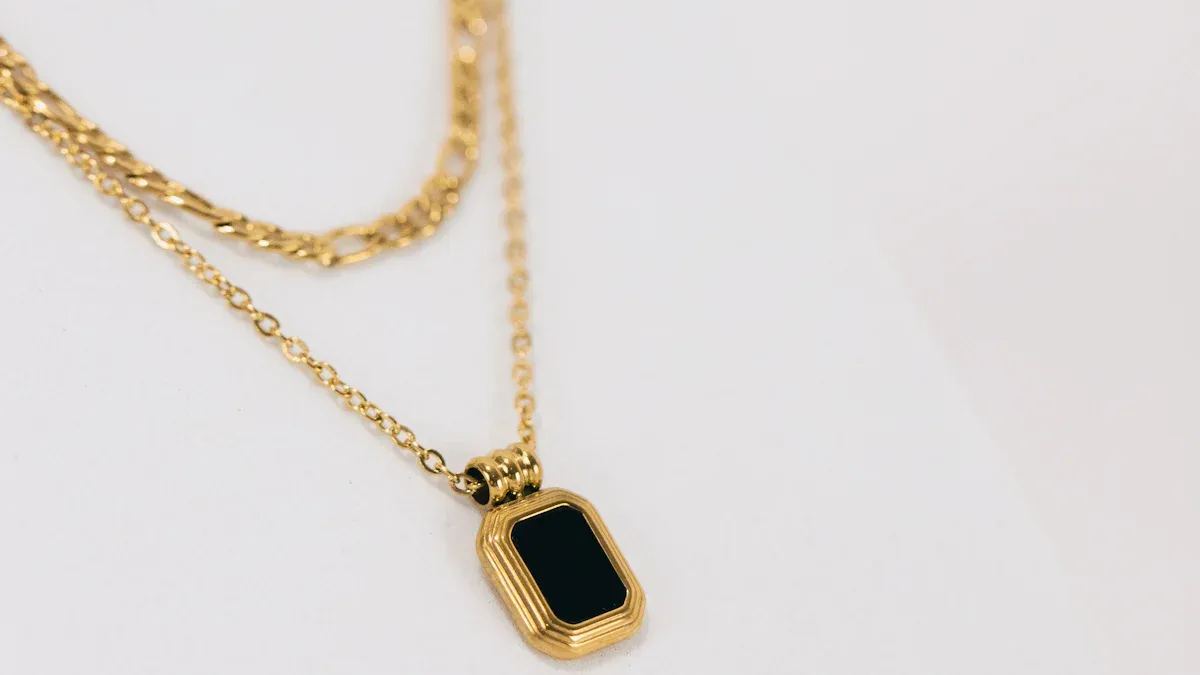
This guide compares solid 10K and 14K gold for a custom pendant. Solid 10K gold contains about 41.7% gold, while solid 14K contains about 58.3%. Those proportions do not describe an entire gold-plated pendant. Confirm the base metal, stones, finish and construction for the design you are ordering.
Key Takeaways
- 10K and 14K describe gold content in a solid alloy.
- Alloy, dimensions and construction affect how a pendant wears.
- Choose color from representative images or samples; purity alone does not determine shine.
- Confirm the material and quotation for a custom request. A general guide does not establish every available option.
10K vs 14K Gold: Key Differences
Gold Content and Purity
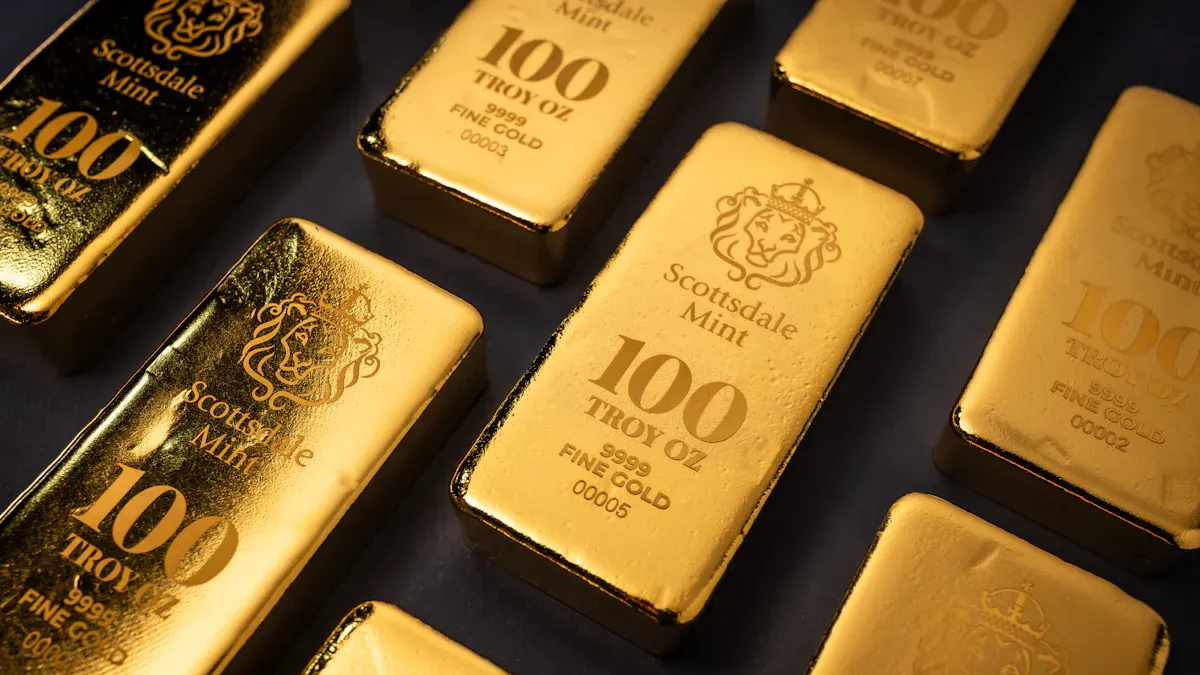
For a solid-gold pendant, the main numerical difference is the gold proportion. Other metals make up the rest of the alloy, and their composition can affect color and wear properties.
|
Gold Type |
Percentage of Alloy |
|
|---|---|---|
|
10K |
41.7% |
58.3% |
|
14K |
58.3% |
41.7% |
A 10K alloy often has greater hardness than a comparable higher-gold-content alloy. The exact formula and construction still matter. Neither karat makes a pendant, bail or setting immune to damage.
If you need to avoid a particular metal, confirm the actual alloy. Karat alone does not establish nickel content or skin suitability.
Color and Shine
Comparable yellow-gold alloys can differ in warmth. White and rose gold use different alloy formulas, and a plated surface can change the color independently of the base. Compare the actual finish.
| Detail | What to compare |
|---|---|
| Yellow-gold color | Representative samples of the actual alloy |
| White or rose finish | Alloy and any surface coating |
| Shine | Polish, texture and condition of the piece |
A high-polish surface reflects light differently from a brushed or textured finish. More gold content does not automatically create more shine.
Value and Appeal
Compare current quotations for the same design, dimensions and stone configuration. Gold content affects the material cost, while workmanship and other components also affect the finished price.
Choose the pendant for wear and personal meaning. A higher karat does not guarantee a return when it is resold.
Durability for Custom Pendants
10 Karat Gold Strength
A pendant’s thickness, bail and settings affect its strength alongside the alloy. A thin or hollow construction can behave differently from a heavier one. Ask how the proposed design will be built.
Protect either gold alloy from impact and snagging. Check the bail, joints and settings if the pendant is knocked or starts moving differently on the chain.
14K Gold Wear and Tear
Surface scratches and buildup can affect a 14K pendant’s appearance. Follow the instructions for its alloy, finish and stones rather than assuming that it needs a fixed cleaning frequency.
-
Product buildup from lotions and powders can create a dull film.
-
Fine scratches develop over time, reducing brilliance.
-
Interaction between alloy metals and the environment can cause residue.
Bail and Chain Compatibility
The pendant usually attaches to a chain through a bail, while the chain has its own clasp. Confirm the bail opening and the chain’s width and clasp dimensions so the components can fit together.
| Component | What to check |
|---|---|
| Pendant bail | Opening size, attachment and condition |
| Chain | Width and end-fitting dimensions |
| Clasp | Closure type, security and care instructions |
Karat alone does not establish the strength of a bail or clasp. Inspect the actual construction and ask about compatibility before pairing a pendant and chain.
Appearance and Style
10K Yellow-Gold Appearance
A comparable 10K yellow-gold alloy can look paler than 14K. The alloy formula, polish and lighting influence the final appearance, so use representative images or a sample when color matching matters.
Choose a finish that works with your existing chain and the way you dress. Ask whether the color in a reference image is an alloy, a plated layer or a lighting effect.
14K Gold Shine and Luxury
A 14K yellow-gold alloy can offer a richer yellow tone, but polish and design also determine how it looks. For a high-polish or textured surface, confirm that finish separately in the custom specification.
The stone identity is a separate choice. A pendant may use moissanite, diamond or another stone; its gold karat does not identify the gemstone.
Which Gold Suits Hip-Hop Jewelry
For hip-hop styling, compare pendant dimensions and how it sits on the chosen chain. Gold plating and solid gold are different constructions. Confirm the base metal and surface finish in the quotation.
Price and Value Comparison
10K Gold Affordability
For equivalent solid-gold designs, a lower gold content can reduce one part of the material cost. A current quotation is needed to compare the finished pendants. Check the date, currency and unit of a market quotation. The LBMA Gold Price benchmark information from ICE explains the benchmark; it is not a retail quote for a finished pendant.
There is no fixed saving percentage that applies to every 10K pendant. Dimensions, metal weight, stones and labor can change the price substantially.
14K Gold Content and Cost
14K contains more gold than 10K at the same total metal weight. That does not determine a fixed finished price or resale return. Compare quotations with the same design and other specifications.
Purchase Price and Future Resale
Jewelry resale depends on the piece, condition, buyer and market. A raw-metal calculation is different from an offer to buy the finished pendant.
Skin Sensitivity and Allergies
10K Gold and Nickel Content
Gold alloys use other metals in different combinations. If skin sensitivity matters, ask which metals are in the actual alloy and any other component that contacts the skin.
A 10K label does not prove that the alloy contains nickel or predict how every wearer will react. Confirm the composition instead of choosing solely from karat.
14K Gold and Skin Contact
14K has a smaller non-gold proportion than 10K, but that does not prove it has less nickel. Alloy formulas differ. Ask whether the complete piece meets any metal requirement you have.
Custom Jewelry Options
Design Flexibility with 10K Gold
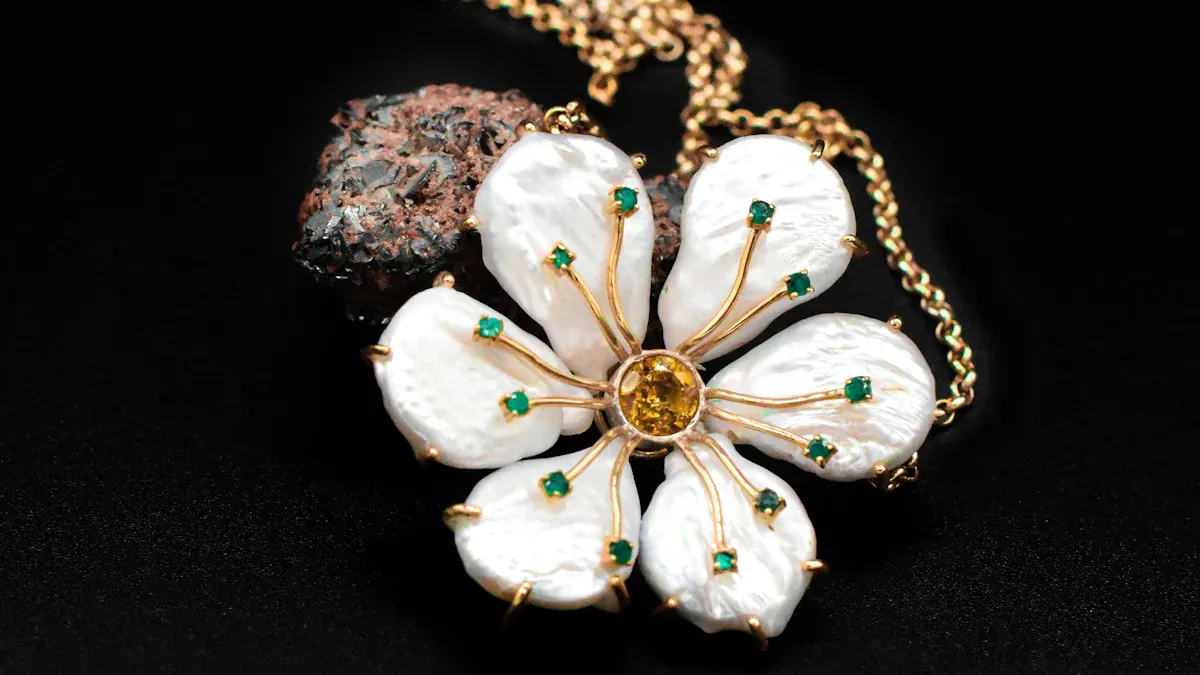
For a custom pendant, discuss the shape, dimensions, thickness and bail with the maker. Confirm whether the proposed alloy is available and suitable for the construction.
Here are some pros and cons of using 10 karat gold for custom jewelry:
| Design decision | Details to confirm |
|---|---|
| Shape and dimensions | Overall size, thickness and intended appearance |
| Bail | Opening and chain compatibility |
| Stones | Identity, dimensions and setting |
| Metal | Solid alloy or base metal with plating |
An engraving or detailed shape needs to be assessed for the actual design. A general karat comparison cannot guarantee that every proposed detail will work.
Custom Pendant Materials and Finish
For a Sommarnox custom request, describe the design and ask which metals, stones and finishes can be supplied. Confirm the agreed materials in the quotation instead of assuming that every moissanite pendant is solid 14K gold.
Use reference images to discuss color and surface finish. Check the stone settings and bail dimensions along with the metal choice before approving the design.
The confirmed design and specification should guide the order. Read the current custom-order terms for approvals, changes and timing.
Maintenance and Tarnish
Will 14K Gold Tarnish?
A solid 14K alloy can develop surface changes depending on its composition and exposure. A gold-plated pendant can also show coating wear. Identify the construction and cause before choosing a treatment.
- Limit exposure to chlorine and harsh cleaners.
- Avoid spraying perfume or cosmetics directly on the piece.
- Store the pendant dry and separately from other jewelry.
Caring for 10K and 14K Gold Pendants
Follow the care instructions for the metal, finish and settings. Use a soft, non-abrasive cloth for surface oils and dust. Wet cleaning should be approved for the complete piece; avoid baking soda and other abrasive household treatments on an uncertain finish.
Here are best practices for caring for your gold pendants:
- Use the approved cleaning method.
- Store the dry pendant separately.
- Remove it before heavy activity or household cleaning.
- Inspect the bail and settings if it is knocked or caught.
Ask a jeweler about stubborn residue or a damaged finish. Cleaning cannot replace plating that has worn away.
Pros and Cons Table
10K Gold Pros and Cons
10K contains about 41.7% gold and can reduce one part of the material cost compared with an equivalent 14K design. Evaluate the exact alloy and construction before judging wear properties.
The color and skin-contact characteristics depend on the alloy and finish. Compare samples and confirm the metals rather than assuming that every 10K pendant is dull, pink or irritating.
Here is a quick look at the main points:
| Consideration | 10K solid gold |
|---|---|
| Gold content | About 41.7% |
| Price | Compare a current quotation for the same design |
| Wear | Depends on alloy, thickness and construction |
| Skin contact | Confirm the actual alloy |
Note: If you want a pendant for everyday use and care about cost, 10K gold is a smart choice.
14K Gold Pros and Cons
14K contains about 58.3% gold and can give a richer yellow tone in comparable alloys. Color, strength and comfort still need to be assessed for the specific pendant.
Compare the finished design and quotation with the 10K option. Protect the pendant from impact and follow its care instructions; a higher karat does not create a permanent-shine guarantee.
Here is a summary:
| Consideration | 14K solid gold |
|---|---|
| Gold content | About 58.3% |
| Appearance | Depends on alloy and surface finish |
| Price | Compare a current quotation for the same design |
| Care | Follow instructions for metal, finish and settings |
Choose a custom pendant using its complete specification. Compare solid 10K and 14K only when those are the actual options, and treat a gold-plated construction separately.
- Metal and finish: confirm what will be supplied.
- Design: check dimensions, thickness, bail and settings.
- Price and process: review the quotation and current order terms.
Before pairing it with a chain, confirm the bail opening and end-fitting dimensions. Ask about any unclear material or construction detail before approving the order.
FAQ
What is the main difference between 10 karat gold and 14 k gold in jewelry?
Solid 10K gold contains about 41.7% gold and solid 14K contains about 58.3%. The alloy formula, finish and construction affect the rest of the comparison.
Is 14K better for a custom pendant?
It depends on the design, alloy, appearance and quotation. A higher gold content is one factor; it does not guarantee greater shine, strength or resale value.
Will 14k gold tarnish over time?
Some gold alloys can develop surface discoloration. Follow the approved care method. If the pendant is plated, distinguish residue or tarnish from coating wear.
Can I find affordable real gold jewelry for a budget-friendly jewelry collection?
Set a budget for the whole design and compare equivalent current quotations. A lower karat can change material cost, but it does not set the final price.
How do I match the pendant to a chain?
Confirm the pendant’s bail opening and the chain’s width and end-fitting dimensions. Check the clasp and attachment construction separately from the karat number.
Related Guides
- 14K vs 18K Gold for Custom Jewelry: Purity & Design
- Does 14K Gold Tarnish? Solid Gold vs Plated Jewelry
- Custom vs Ready-Made Pendants: Choosing Your First Piece
Explore Jewelry Options
Use the selected product’s current specifications to confirm its stone, base metal, finish and dimensions.

