

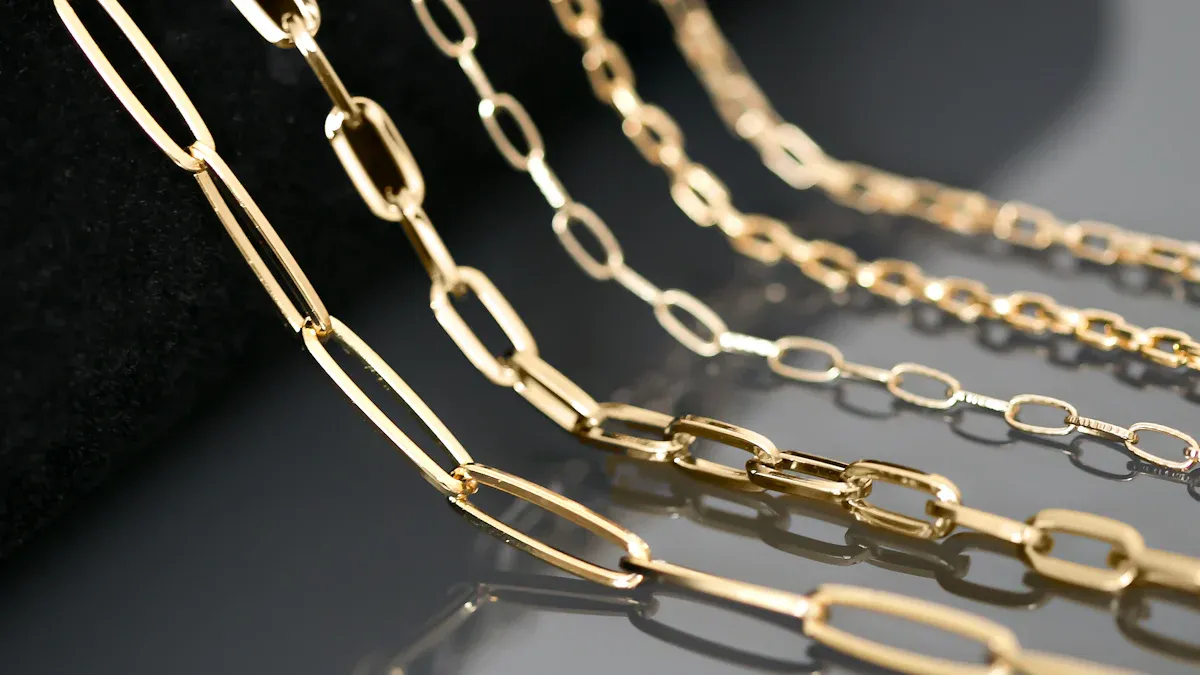
This guide compares solid 14K and 18K gold alloys. It does not compare the gold content of an entire gold-plated piece. Solid 14K gold contains about 58.3% gold, while solid 18K gold contains 75%. For custom jewelry, also compare the actual alloy, construction, color, dimensions and quotation.
| Detail | Solid 14K gold | Solid 18K gold |
|---|---|---|
| Gold content | 14/24, about 58.3% | 18/24, 75% |
| Other metals | About 41.7% | 25% |
| Color and wear | Depend on the alloy and construction | Depend on the alloy and construction |
| Skin sensitivity | Confirm the actual alloy | Confirm the actual alloy |
For Sommarnox custom work, ask which metals and finishes are available for your design. A product described as 14K or 18K gold plated has a different base metal; the plating label is not a solid-gold claim.
Explore Sommarnox’s custom jewelry collection.
Key Takeaways
- Solid 14K and 18K gold differ in gold content.
- Alloy composition, construction and finish affect color and wear.
- Karat alone does not establish nickel content or skin suitability.
- Confirm the materials and current quotation for a custom piece before ordering.
14K vs 18K Gold: Key Differences
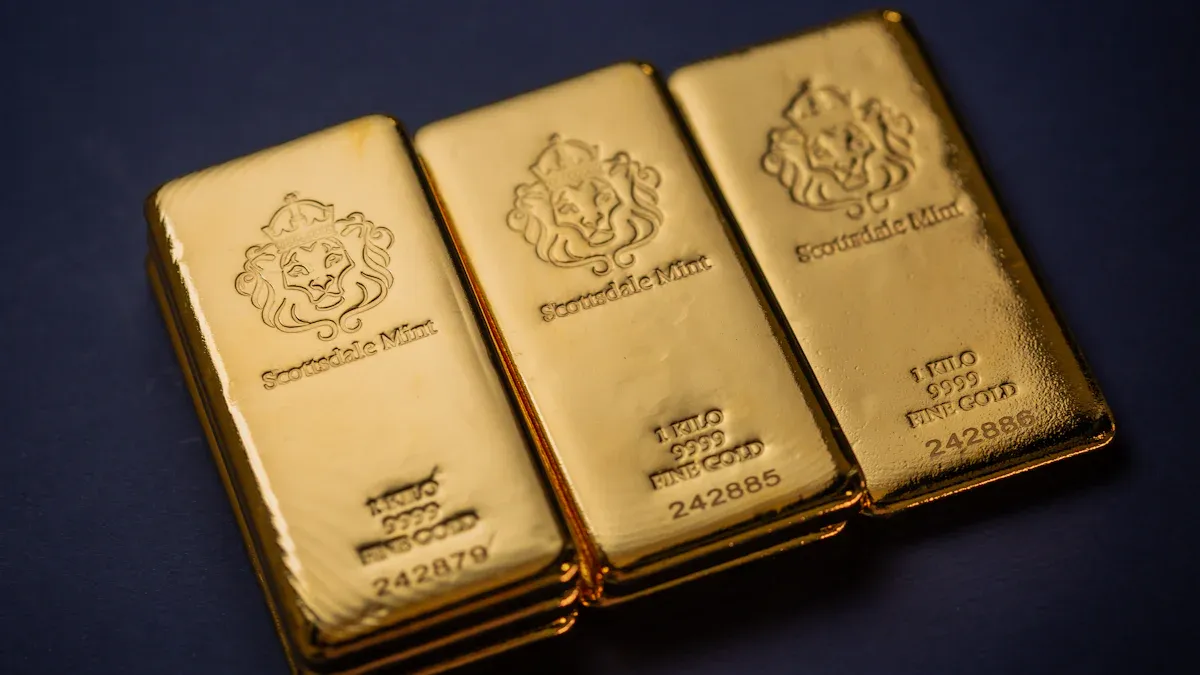
The key distinction is gold content. Purity matters, but it does not independently determine the strength of a setting or guarantee that a particular custom design can be made.
Gold Content and Purity
Gold purity levels tell you how much real gold is in your jewelry. The difference between 14k and 18k gold starts with their gold content. You can see the comparison in the table below:
| Gold type | Gold content |
|---|---|
| 14K | About 58.3% |
| 18K | 75% |
14K gold is 14 parts gold out of 24; 18K is 18 parts out of 24. Other metals make up the remainder. Ask which alloy is used when color, skin contact or fabrication matters to your design.
Color and Appearance
For comparable yellow-gold alloys, 18K can have a richer yellow color. White and rose gold use different alloy combinations, and surface finishes can also change the appearance. Compare actual samples or representative images.
The table below shows how white gold looks before and after rhodium plating:
| Finish | What to check |
|---|---|
| Yellow or rose gold | Actual alloy and representative color |
| White gold | Alloy and whether rhodium or another finish is applied |
| Gold plated | Base metal and plated surface separately |
A karat number does not define a single color across every alloy. Confirm the finish of the specific piece instead of assuming that 14K always looks cooler or 18K always looks warmer.
Durability and Strength
14K gold often offers greater hardness than comparable higher-gold-content alloys, but the actual formulation and construction matter. Either type can scratch, bend or be damaged in use.
Here are some important points about durability:
- Ask about the actual alloy and the design’s thickness.
- Assess prongs, joints and clasps, rather than choosing solely by karat.
- Remove jewelry before heavy contact or activities that could catch or damage it.
Workability for Custom Designs
The jeweler needs to consider the alloy, design, dimensions and stone settings together. A fixed melting point or a karat-based claim about finer detail cannot establish whether a particular design will work.
For a pendant, ring or bracelet, discuss how the shape will be constructed and how stones will be secured. Confirm the material and finish in the specification before approving custom work.
Difference Between 14K and 18K Gold in Everyday Wear
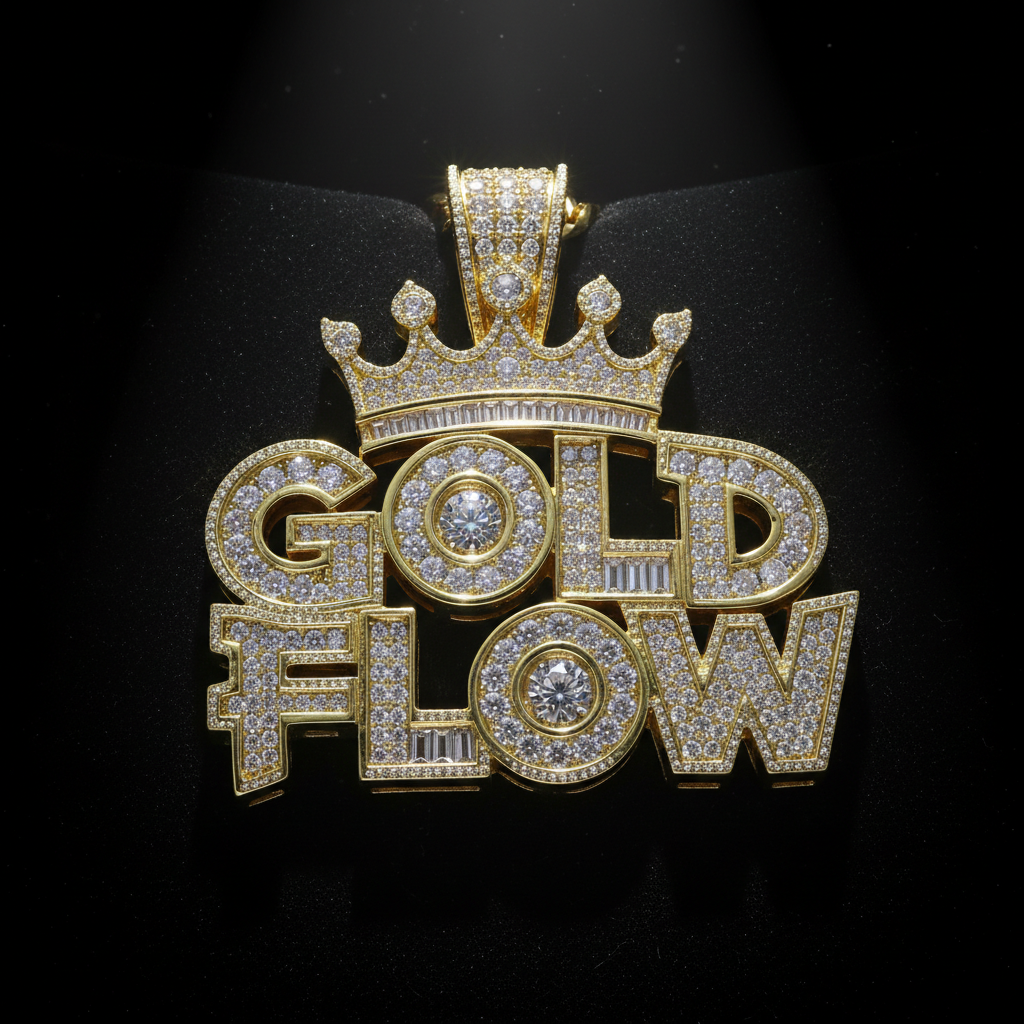
Rings and Bracelets
Rings and bracelets experience frequent contact with surfaces. Compare band thickness, joints and settings, along with the alloy. A 14K label does not make a piece immune to damage, and 18K is not automatically limited to special occasions.
Choose a design suited to the way you wear it. Protect either alloy from heavy contact and have loosened settings assessed promptly.
Necklaces and Chains
For a necklace or chain, length, width, construction, weight and clasp affect the feel and security of the piece. A lower karat does not automatically make a chain lighter or more comfortable.
Compare the actual chain rather than assuming that its style or karat establishes strength. A hollow and a solid construction can need different care.
Special Occasion vs. Daily Use
How often you wear a piece matters, but there is no universal daily-use winner. Consider contact, weight and setting security, then follow the instructions for the chosen alloy and finish.
For a custom request, ask whether the proposed 14K or 18K alloy is available for that design. Do not infer availability from a general materials guide.
14K Gold: Pros and Cons
Affordability and Value
For equivalent solid-gold pieces of the same weight and construction, 14K contains less gold than 18K. Finished prices also include design, labor, stones and other costs. Compare current quotations rather than a fixed price difference.
Tip: If you want to save money and still enjoy the shine of gold, 14k gold is a top pick.
Durability for Active Lifestyles
A 14K alloy can offer a useful balance of gold content and wear properties. Daily durability still depends on the design and care. Remove rings and bracelets before sports or work involving heavy contact.
Gold content is one part of the decision. Check the design’s construction and setting security before choosing it for regular wear.
Availability for Custom Designs
Ask the maker which alloys can be used for your proposed piece. Confirm dimensions, weight, stone settings and finish in the quotation so you can compare like for like.
18K Gold: Pros and Cons
Luxury and Rich Color
18K contains more gold than 14K and can create a richer yellow tone in comparable alloys. The actual finish, dimensions and design influence its visual effect. Look at representative images rather than treating purity as a guarantee of a particular look.
Alloy Composition and Skin Sensitivity
An 18K label does not prove that an alloy is nickel-free or suitable for every wearer. Ask about the actual alloy, posts, backs and other skin-contact components. Do not use karat alone as a skin-safety guarantee.
Suitability for Statement Pieces
For a statement piece, consider the shape, dimensions and setting with the jeweler. Confirm that the chosen alloy supports the proposed construction. Purity alone does not guarantee finer detail or greater flexibility.
Ask Sommarnox about the materials available for your specific custom request.
Choosing Between 14K and 18K Gold
Budget and Price Considerations
Set a budget for the complete design. The gold content affects one part of the price, while stones, labor, dimensions and finish can change the total substantially.
Compare quotations for the same design and confirm any payment terms directly before purchase. Do not assume that a payment plan applies to every metal or order.
Skin Sensitivity and Allergies
If metal sensitivity matters to you, confirm the actual alloy rather than assuming that fewer non-gold metals means less nickel. The composition can differ between yellow, rose and white gold.
Tell the maker which metal you need to avoid and ask whether the complete piece meets that requirement. A generic karat comparison cannot guarantee comfort.
Matching Gold to Your Style
Choose the color, shape and proportions that work with your clothing and existing jewelry. Compare the actual alloy and finish instead of relying on undated buyer-trend claims.
For a custom design, send reference images and the dimensions you want. Confirm the materials and finish before approving the specification.
- 14K: lower gold content than 18K.
- 18K: higher gold content than 14K.
- Either option: assess the actual alloy, construction, finish and price.
Ask about the process and options for your specific design. Availability should be confirmed in the quotation.
Discussing a Custom Piece with Sommarnox
Custom Design Expertise
Send the design, approximate dimensions and finish you have in mind. Ask which base metals and stones can be supplied. Custom jewelry can use different materials, so the specification must distinguish solid gold from gold plating.
Men’s Moissanite and Gold Jewelry
For moissanite jewelry, the stone identity and metal construction are separate details. A gold-tone finish does not mean a solid-gold base, and a stone grade does not describe the metal.
Service Terms and Quotation
Read the current custom-order, return and warranty terms before placing an order. Confirm the quoted materials and design, and ask how changes and approvals are handled. A general gold guide does not create a lifetime service promise.
Explore Sommarnox’s custom jewelry collection for design ideas. Ask which solid-gold alloys or plated finishes are available for your request, and confirm the material in your quote.
Choose between solid 14K and 18K gold using the actual alloy, construction, appearance and quotation. If the piece is gold plated, evaluate its base metal and finish separately. The right choice is the one that suits your design and how you plan to wear it.
FAQ
What is the main difference between 14K and 18K gold?
Solid 14K gold contains about 58.3% gold; solid 18K gold contains 75%. The remainder is other metals. This comparison does not describe the gold content of an entire plated item.
Is 14K gold good for everyday jewelry?
It can be suitable for regular wear, depending on the alloy and construction. Protect the piece from heavy contact and follow its care instructions.
Does 18K gold cause skin allergies?
Karat alone cannot guarantee skin suitability. Confirm the actual alloy and all skin-contact components.
Can I customize both 14K and 18K gold jewelry at Sommarnox?
Ask Sommarnox whether the proposed material is available for your design. Confirm it in the quotation rather than assuming availability for every custom order.
How do I care for my gold jewelry?
Follow the care instructions for the alloy, finish and settings. Store pieces separately, avoid harsh chemicals and use a jeweler for uncertain cleaning or repair work.
Related Guides
Explore Jewelry Options
- Lab-Grown Diamond Engagement Ring Design
- Moissanite Bracelets
- Rope & Braided Chain Necklaces
- Moissanite Chains
Use the selected product’s current specifications to confirm its stone, base metal, finish and dimensions.

